As November deepens in Syracuse, New York, the first hard freezes are already here. With average January lows dipping to 16°F and lake-effect snow capable of blanketing the region in feet of snow overnight, Central New York homeowners face a predictable yet preventable threat: frozen pipes. A single burst pipe can release hundreds of gallons of water per hour, leading to extensive water damage, mold growth, and repair bills ranging from $5,000 to $15,000 or more. The good news? With proactive preparation, you can significantly reduce the risk of frozen pipes and keep your home safe through the harshest Syracuse winter.
At Property Restoration, we’ve responded to countless emergency calls for burst pipes in residential and commercial properties across Onondaga County. While our 24/7 water damage restoration teams are always ready to help, our goal is to help you avoid the crisis altogether. This guide walks you through proven strategies to prevent frozen pipes in Syracuse NY, protect your plumbing, and maintain peace of mind all season long.
Understanding the Risk: Why Pipes Freeze in Syracuse Homes
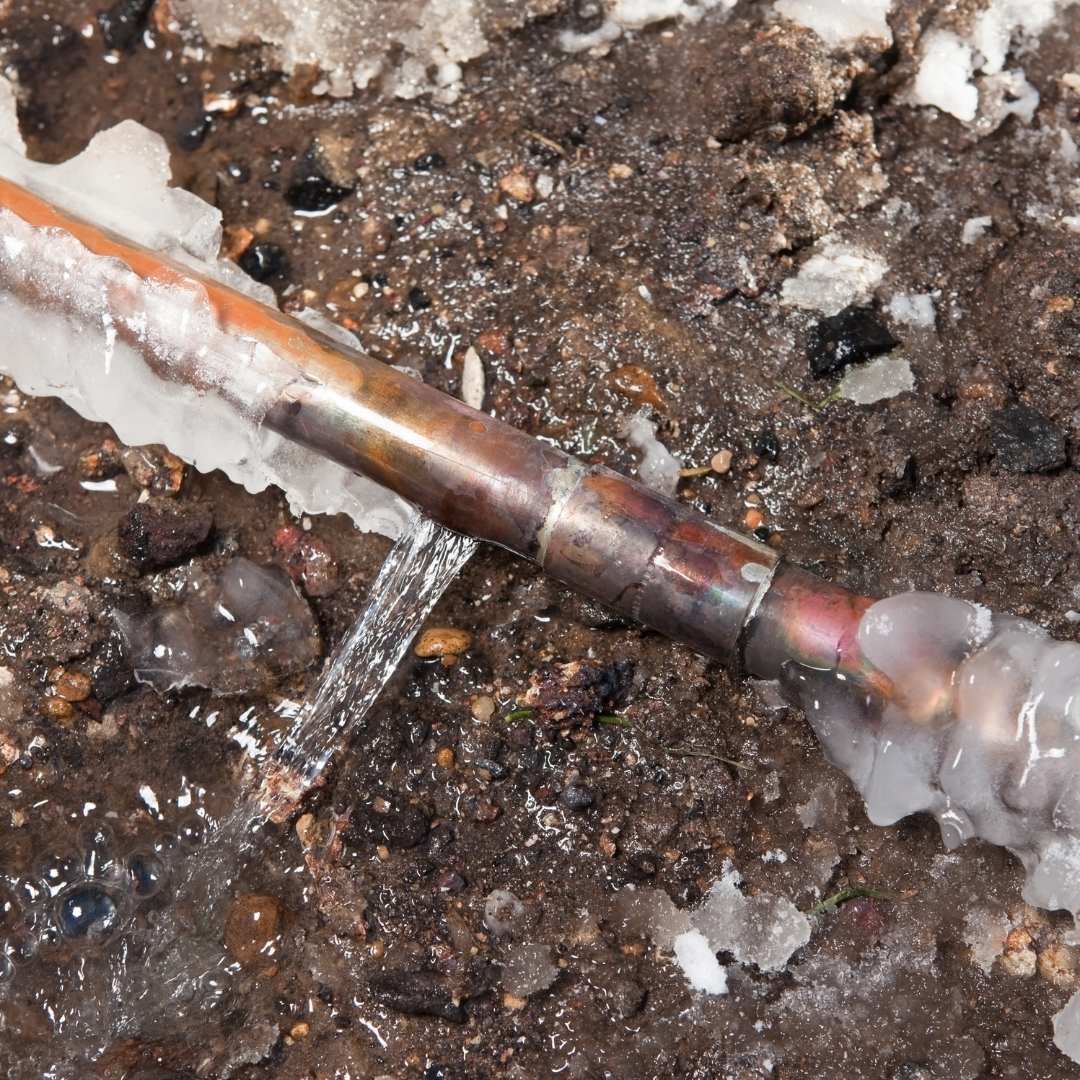
Water expands by nearly 9% when it freezes, creating immense pressure inside pipes—enough to crack copper, PVC, or steel. In Syracuse, pipes are especially vulnerable due to:
- Extreme temperature swings: A 50°F day followed by a 10°F night stresses plumbing systems.
- Poorly insulated homes: Many older Syracuse properties (especially pre-1980 builds in neighborhoods like Strathmore, Westcott, and Tipperary Hill) lack modern insulation in key areas.
- Unheated or underheated spaces: Basements, attics, crawl spaces, and garages often fall below freezing during prolonged cold snaps.
- Exterior wall plumbing: Kitchen and bathroom pipes along outer walls are prime freeze zones.
According to the Insurance Institute for Business & Home Safety (IBHS), frozen pipes cause over $500 million in property damage annually nationwide. In Syracuse, local plumbers and restoration companies see a sharp spike in burst pipe calls between December and February—often after the first sustained sub-20°F stretch.
High-Risk Areas in Your Syracuse Home
Before taking action, identify where your plumbing is most exposed:
- Basements and Crawl Spaces – Unfinished basements common in Syracuse capes and colonials often house water supply lines near concrete foundations.
- Attics – Pipes running to upstairs bathrooms can freeze if attic insulation is inadequate.
- Exterior Walls – Sink and toilet lines in kitchens and bathrooms on outside walls are highly susceptible.
- Garages – Hose bibs and laundry lines in attached garages drop to ambient temperatures when doors are opened frequently.
- Vacant or Seasonal Properties – Rental units, lake houses in Skaneateles, or homes left unoccupied during winter travel are at extreme risk.
Inspect these areas now—before the first deep freeze—to prioritize your prevention efforts.
Your Winter Pipe Protection Checklist
Follow these steps to prevent frozen pipes in Syracuse, NY, and safeguard your property:
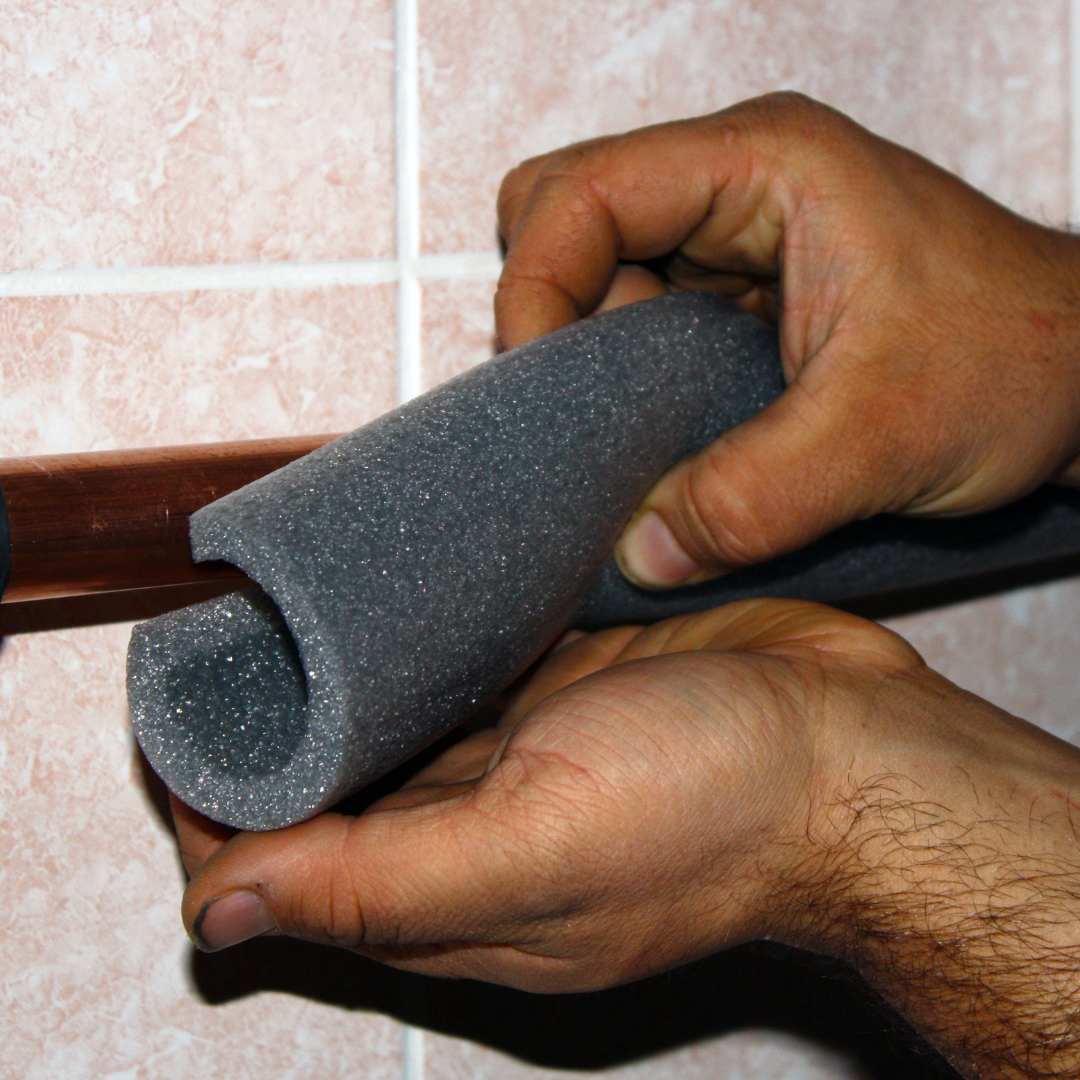
1. Insulate Exposed Pipes
Use foam pipe sleeves, heat tape, or fiberglass wrap on all water supply lines in unheated areas. Focus on:
- Pipes within 3 feet of exterior walls
- Lines in attics and crawl spaces
- Any plumbing near drafty vents or windows
Pro Tip: UL-listed heat tape with a built-in thermostat automatically activates at 38°F, providing reliable protection without constant monitoring.
2. Seal Air Leaks
Cold air infiltration accelerates freezing. Seal gaps around:
- Pipe penetrations through walls or floors
- Dryer vents and electrical conduits
- Foundation cracks and rim joists
Use caulk for small gaps and expanding foam for larger openings. This not only protects pipes but also improves energy efficiency.
3. Maintain Consistent Heat
Keep your thermostat at 55°F or higher, even when away. For extended absences:
- Install a smart thermostat (like Nest or Ecobee) to monitor temperatures remotely
- Use Wi-Fi-enabled freeze alarms that text you if indoor temps drop below 45°
4. Allow Faucets to Drip
During extreme cold (below 15°F), let both hot and cold faucets drip slightly—especially those on exterior walls. Moving water is harder to freeze, and the open line relieves pressure if ice begins to form upstream.
5. Keep Cabinet Doors Open
In kitchens and bathrooms, open cabinet doors under sinks to allow warm room air to circulate around pipes on especially cold nights (in the single digits or below zero).
6. Disconnect and Drain Outdoor Lines
Before the first freeze:
- Shut off water to exterior hose bibs
- Drain hoses and store indoors
- Install insulated faucet covers (available at local hardware stores like Ace Hardware on Erie Boulevard)
7. Prepare for Power Outages
Syracuse winters often bring ice storms and high winds that knock out power. Without heat, indoor temperatures can plummet within hours. Have a backup plan:
- Portable generators (safely vented outdoors)
- Battery-powered space heaters for critical areas
- Pipe insulation as a passive defense
Advanced Protection for Syracuse Homeowners
For maximum security—especially in older homes or properties with a history of freeze damage—consider these upgrades:
- Pipe Heat Trace Systems: Professionally installed electric heating cables maintain pipe temperatures above freezing.
- Interior Wall Insulation: Blown-in cellulose or spray foam in exterior walls protects embedded plumbing.
- Whole-Home Winterization: Ideal for snowbirds or vacant investment properties. A licensed plumber drains the system and fills pipes with non-toxic antifreeze.
What to Do If You Suspect Frozen Pipes
Even with preparation, issues can arise. Know the warning signs:
- Reduced or no water flow from faucets
- Frost on exposed pipes
- Strange clanking or bulging in walls
Immediate Actions:
- Shut off the main water valve to prevent flooding if the pipe bursts.
- Open the affected faucet to relieve pressure.
- Apply gentle heat (hair dryer or space heater—never
- an open flame) to the suspected freeze point.
Call a professional if you’re unsure or can’t locate the issue.
If a pipe does burst, do not attempt major cleanup yourself. Water spreads quickly through walls, floors, and ceilings, creating hidden damage and mold risk. Property Restoration provides:
- 24/7 emergency water extraction in Syracuse, NY
- Structural drying with commercial-grade equipment
- Direct insurance billing for covered claims
The Cost of Inaction vs. Prevention
Consider this hypothetical scenario based on real events: A family on Jamesville Avenue left their heat at 50°F during a January getaway. A -10°F wind chill caused a basement pipe to burst, flooding the finished lower level with 2 inches of water. Total damage: $18,700 (carpet, drywall, furniture, mold remediation). Prevention cost? Under $200 in insulation and a $79 smart thermostat.
Final Thoughts: Stay Ahead of Syracuse Winter
Taking 2–3 hours now to prevent frozen pipes in Syracuse, NY, can save you thousands in repairs and days of disruption later. Start with a thorough home walk-through, stock up on insulation supplies, and schedule a professional inspection if you’re unsure.
At Property Restoration, we’ve served Syracuse homeowners and businesses for decades, from Eastwood to Skaneateles. We believe the best restoration call is the one we never receive—because your preparation worked.
End up with frozen pipes this winter despite your best prevention efforts? Our IICRC-certified team is standing by to receive your call, 24/7.
Property Restoration – Syracuse’s Trusted Partner in Disaster Recovery
Call (315) 454-0518 | 24/7 Emergency Line